Editorial by Seeking Worlds
Reimagining Golf Tournaments as a Cinematic




Visual Rhythm and the Cinematic Frame
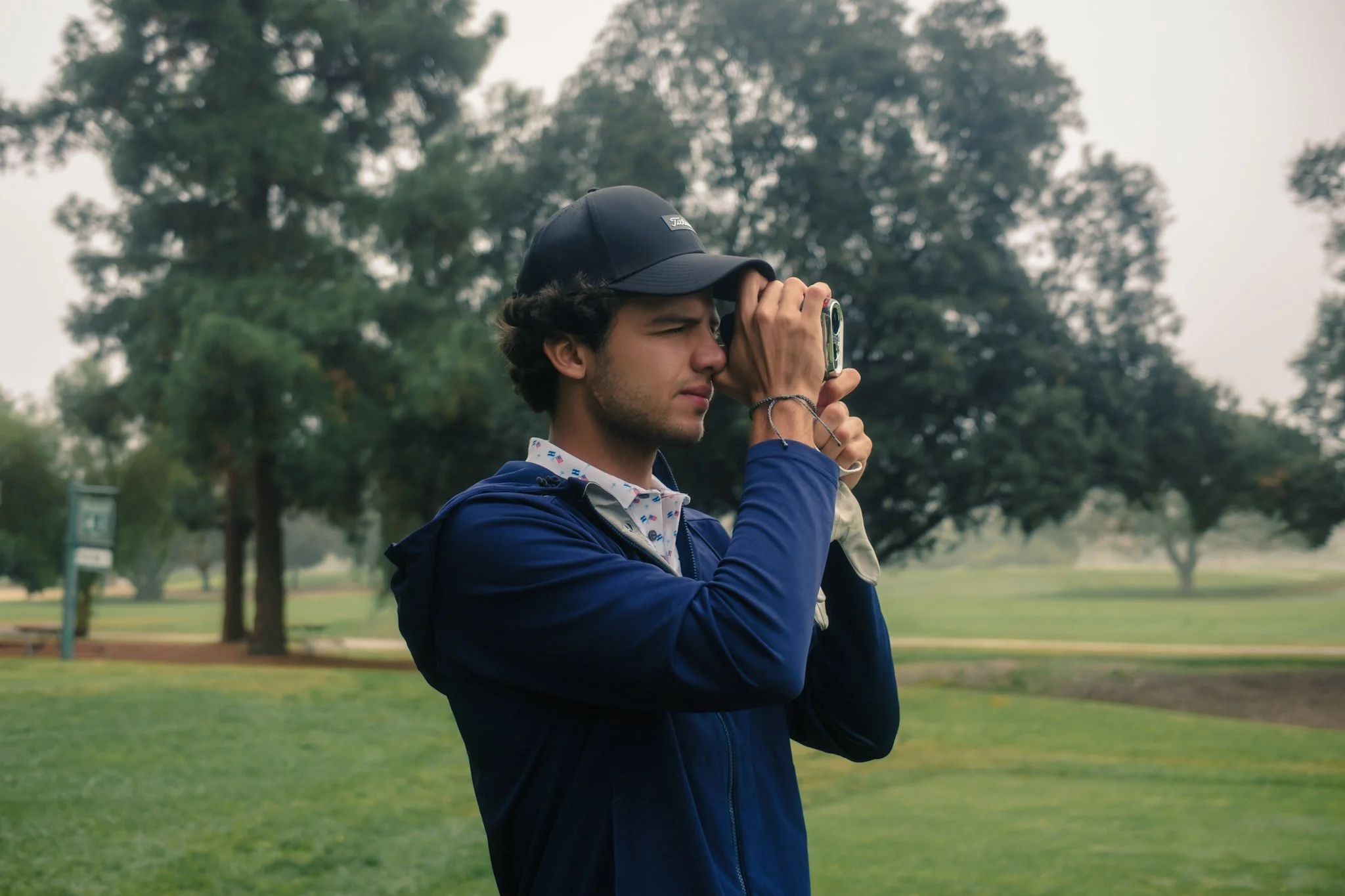
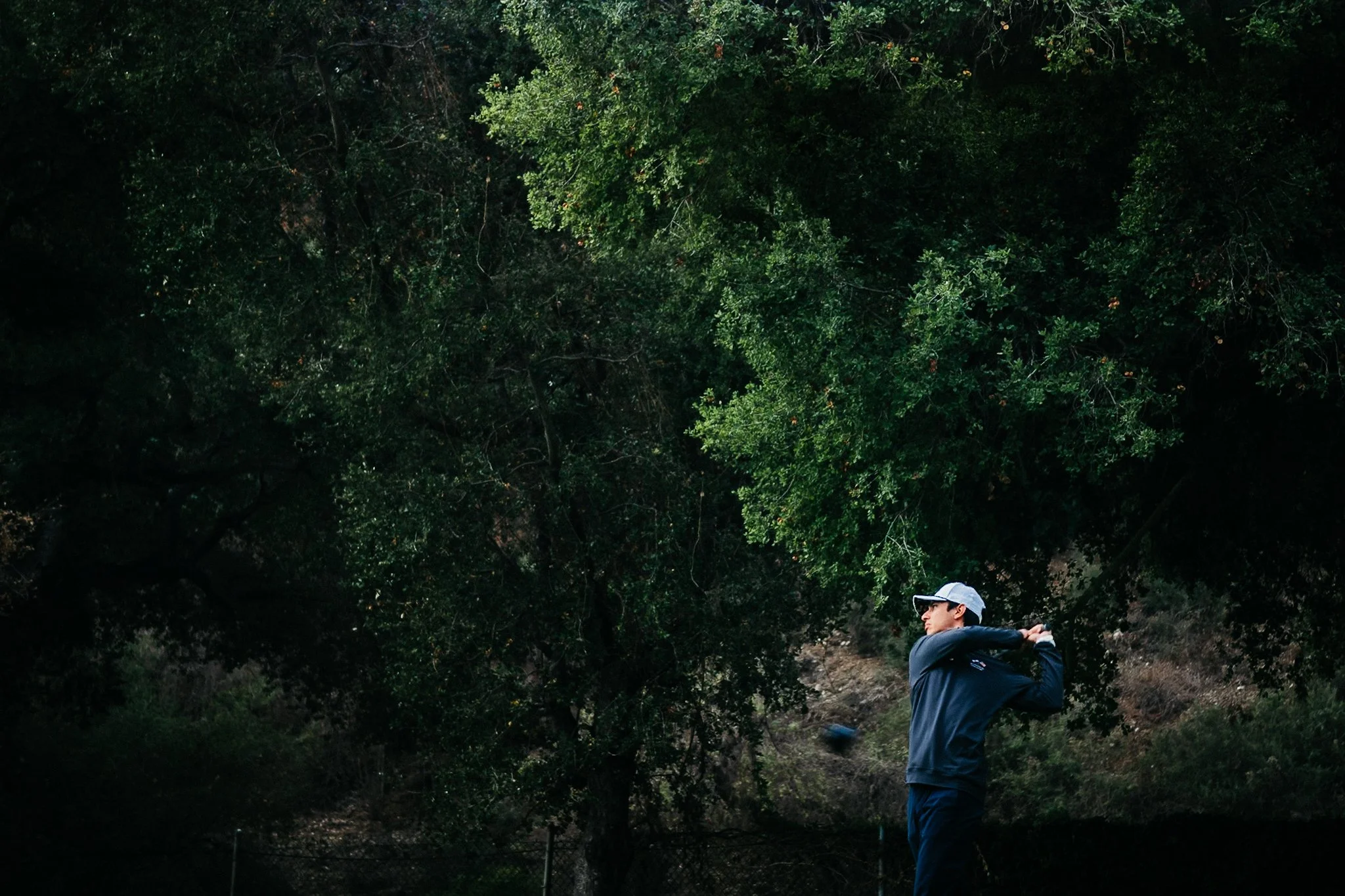
Golf, at its surface, is a sport defined by precision and patience. A long walk across neatly sculpted grass, punctuated by the clean click of a club meeting a ball. Yet beneath this serene veneer lies a narrative arc rich with drama, tension, and visual poetry. What if we began to treat golf tournaments not just as sporting events to be covered, but as stories to be felt and experienced through the language of cinema?
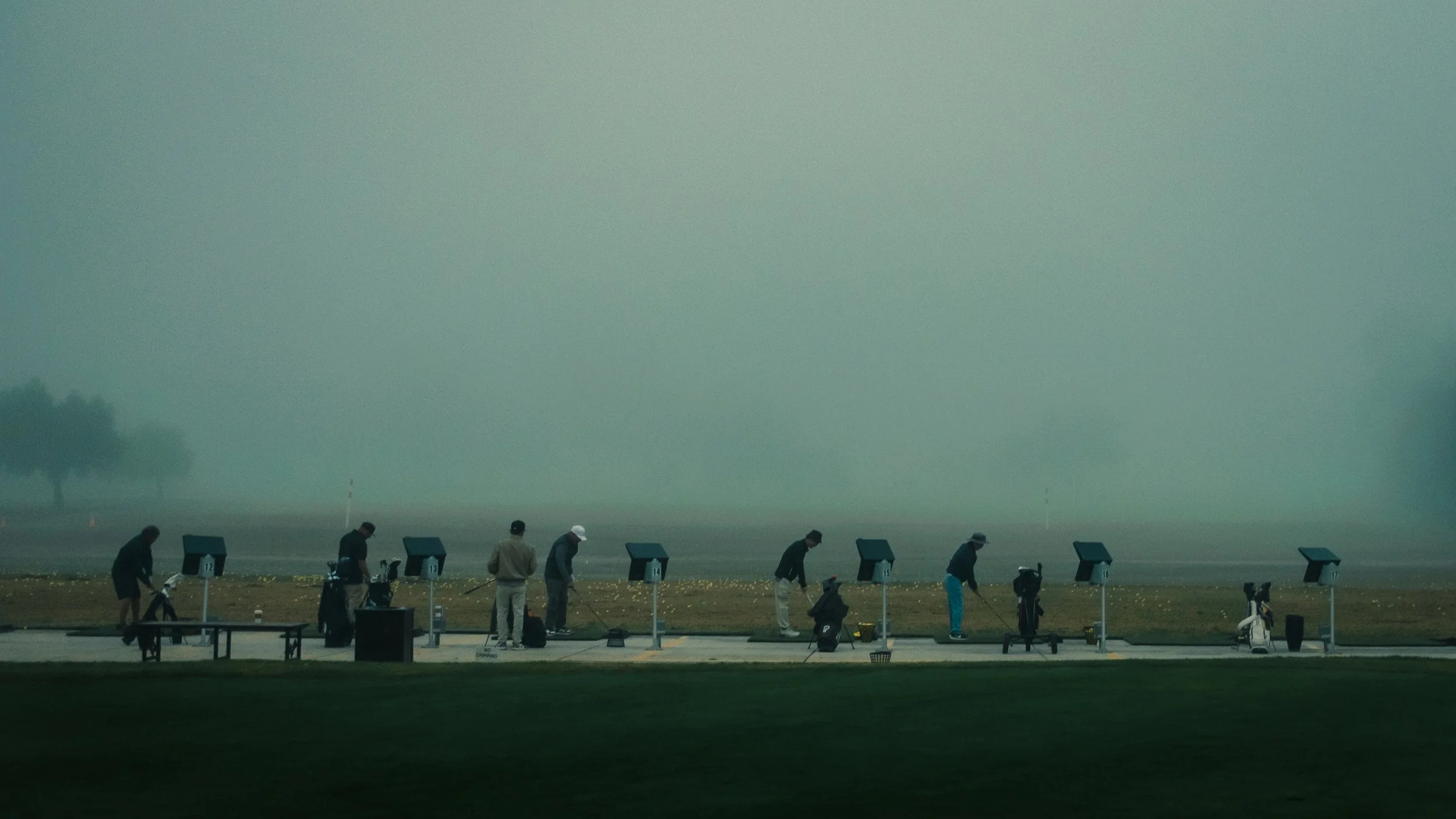
Traditional golf coverage often frames the game in technical terms: shot-by-shot analysis, leaderboard updates, and detailed commentary that keeps experts informed but casual viewers at a distance. The inherent challenge in golf broadcasting has always been this paradox. A sport played at a quiet pace spread across vast landscapes demands both contextual immersion and dynamic pacing, something that conventional sports media struggles to consistently deliver. Yet therein lies the opportunity, for documentation that embraces cinematic storytelling to reveal what is most compelling about golf.
Narrative Beyond the Scorecard
Cinematic documentation seeks the essence of experience. It understands that the tension in golf isn’t solely in who leads, but in why a lead matters: the weight of expectation, the history between rivals, the personal stakes that drive a competitor’s resolve. Long-form storytelling gives room to explore these threads, crafting arcs not unlike those in fiction or documentary film, where character and environment intertwine.
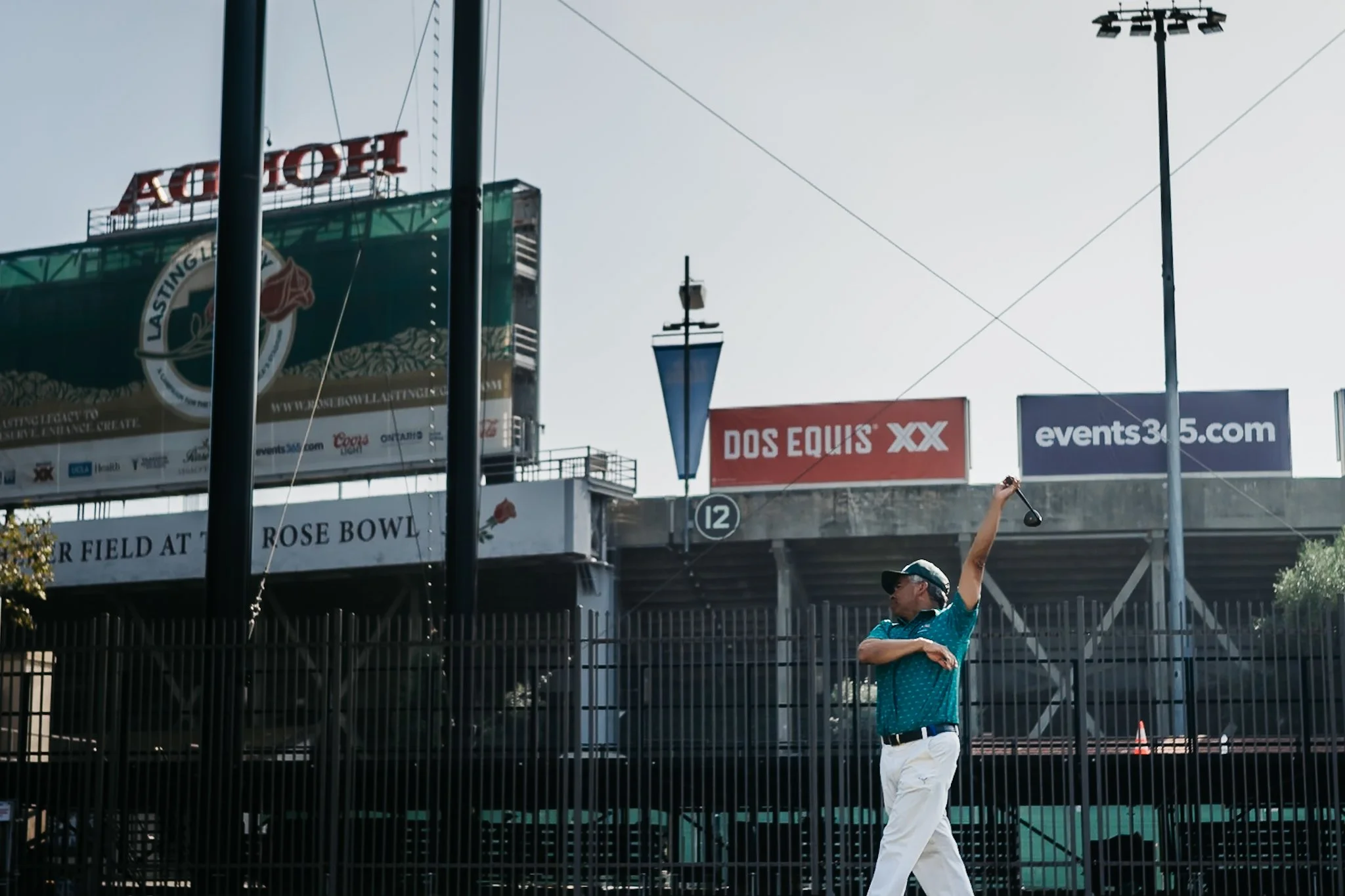
Consider the landscape itself, its sculpted greens and rugged dunes, its shifting light and weather, all acting as living set pieces. In cinematic language, the course is not merely a venue but a character with presence and influence. The visual beauty of the game thus becomes a conduit for emotion, inviting audiences to connect through imagery and atmosphere as much as through athletic achievement.

Sound, Silence, and Emotional Texture
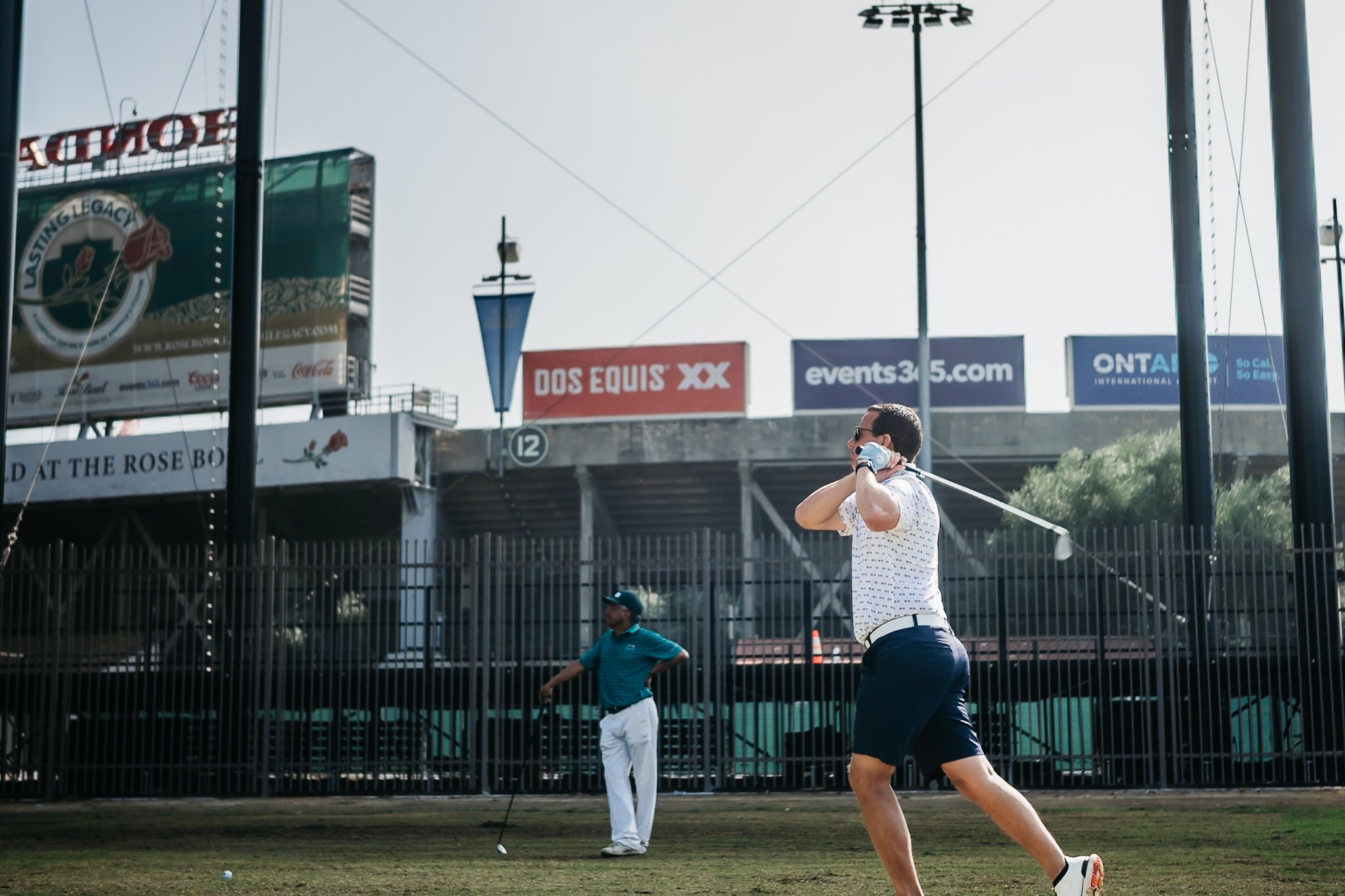
Traditional broadcasts emphasize commentary, cinematics respect silence. In film, sound design does more than describe action, it shapes how we feel about it. The quiet rustle of grass, the whisper of wind, the distant murmur of a gallery, these ambient layers enrich the scenery and heighten immersion. Then, at pivotal turns, sound can swell. A radio-like heartbeat drum as a putt drops or abrupt silence as a player prepares to swing.



Reframing the Spectator Experience
The ultimate promise of cinematic golf documentation is not simply aesthetic, it is empathic. By viewing tournaments through a narrative lens, we can bridge the gap between the sport’s contemplative pace and the modern appetite for compelling storytelling. In doing so, golf can appeal both to seasoned enthusiasts and to audiences unfamiliar with its fine-grained technicalities, giving the game a broader cultural resonance.
In the end, golf tournaments reimagined as cinematics invite us to slow down, not in spite of the pace of play, but because of it. They remind us that sport, like life, isn’t only about measurable outcomes but about the quiet, unscripted moments that define our connection to the world.